Navigating Istanbul's Social Fabric: A Practical Cultural Primer for American Visitors
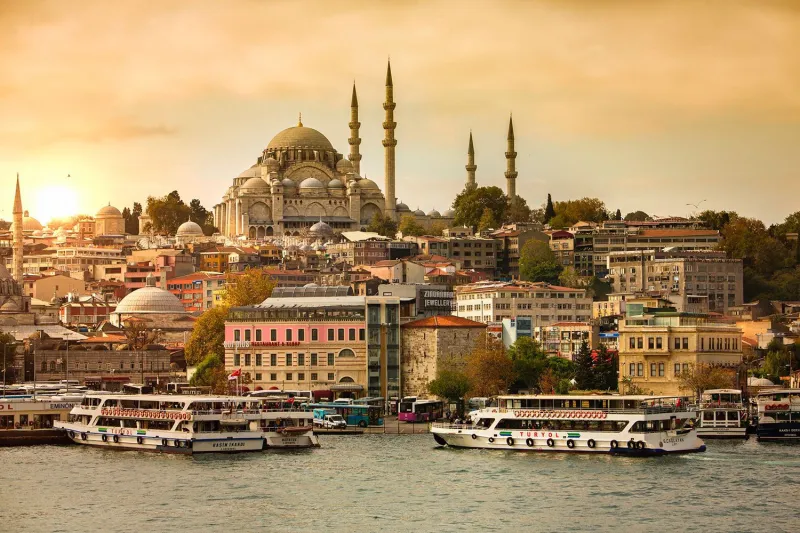
Photo: Istanbul Bosphorus nightlife skyline social gathering, via img.delicious.com.au
Istanbul occupies a singular position in the world. Straddling two continents, it has served for centuries as a crossroads of civilizations, trade routes, and social traditions. For American visitors accustomed to the relatively informal social codes of cities like New York or Los Angeles, Istanbul can initially feel like a city operating on an entirely different frequency. The warmth is genuine, the hospitality is legendary — but so too are the unspoken rules that govern how people interact here.
Understanding those rules is not merely polite. It is, in many respects, essential for anyone hoping to engage authentically with the city's social scenes, its nightlife, and its adult entertainment landscape.
The Architecture of Turkish Hospitality
Turkish hospitality — known locally as misafirperverlik — is not a performative gesture. It is a deeply embedded cultural value that shapes how locals receive guests, whether in a private home, a restaurant, or a social venue. When a Turkish host offers you tea, food, or assistance, declining abruptly can register as rudeness rather than independence. The culturally appropriate response is to accept graciously, or to decline with visible appreciation and a brief explanation.
For Americans, who often prize directness and efficiency in social exchanges, this can require a conscious adjustment. Conversations in Istanbul tend to begin with personal inquiries — questions about your family, your impressions of the city, your comfort. These are not intrusive. They are the foundation upon which trust is built before any other exchange takes place.
Dress, Behavior, and Reading the Room
Istanbul is a secular city with a diverse population, but it is not a monolithic one. The dress codes and behavioral expectations shift considerably depending on the neighborhood you are in. Beyoğlu, Taksim, and Karaköy tend to reflect a cosmopolitan, European-influenced sensibility where contemporary dress and open social interaction are entirely commonplace. Fatih, Eyüp, and parts of the Asian side carry a more conservative character, where modest dress signals respect for local norms.
For visitors planning to explore Istanbul's nightlife — its bars, clubs, lounges, and adult entertainment venues — the European-leaning districts are the primary hubs. Even within these areas, however, certain behavioral expectations persist. Public displays of affection, for instance, are generally tolerated in nightlife districts but can draw unwanted attention in more residential or traditional neighborhoods.
The practical advice here is straightforward: observe before you engage. Istanbul rewards the visitor who takes a moment to read the energy of a space before acting within it.
Nightlife Norms and Adult Entertainment: What to Expect
Istanbul's nightlife is sophisticated, varied, and, in certain respects, unlike anything most American cities offer. The city has a long tradition of entertainment venues that blend music, social interaction, and adult hospitality. These range from high-end clubs along the Bosphorus to more intimate lounges in the backstreets of Beyoğlu.
Within this landscape, adult entertainment venues operate under a specific set of social expectations that differ meaningfully from those in American cities. Transactions — whether for companionship, entertainment, or social services — are typically conducted with a degree of formality and discretion that Americans may not be accustomed to. Haggling aggressively, behaving with entitlement, or treating service providers with disrespect are behaviors that will close doors quickly and, in some cases, create safety concerns.
Reputable directories and platforms — such as those operating within Istanbul's established adult services marketplace — serve a meaningful function here. They provide international visitors with a transparent, vetted point of entry into a social landscape that can otherwise be difficult to navigate safely and respectfully.
Language, Communication, and the Limits of Assumption
English is widely spoken in Istanbul's tourist and entertainment districts, but fluency levels vary considerably. Speaking slowly and clearly — rather than loudly, which is a common American mistake — goes a long way. Learning even a handful of Turkish phrases (merhaba for hello, teşekkür ederim for thank you, lütfen for please) signals cultural investment and is almost always met with warmth.
More critically, do not assume that a smile or a friendly demeanor constitutes an invitation to anything beyond friendliness. Turkish social culture is expressive and warm, but boundaries exist and are expected to be respected. Consent and clarity matter here as much as they do anywhere else — arguably more so in contexts where language barriers and cultural differences can create genuine misunderstandings.
Safety Considerations for Independent Travelers
Istanbul is, by global standards, a relatively safe city for tourists. That said, as with any major metropolitan area, certain precautions are simply good practice. Avoid accepting unsolicited invitations from strangers near major tourist sites — particularly around Sultanahmet and Taksim Square — as these can occasionally be setups for scams. Verify the legitimacy of any entertainment venue or service provider through trusted platforms before committing.
For visitors seeking adult companionship or entertainment services specifically, using established online directories significantly reduces exposure to fraudulent operators. These platforms provide verified listings, user reviews, and transparent service descriptions that allow visitors to make informed decisions before any in-person interaction takes place.
Respect as the Universal Currency
Perhaps the single most transferable piece of advice for American visitors to Istanbul is this: respect is not a formality here — it is a prerequisite. Turkish culture places enormous weight on dignity, both personal and communal. Visitors who approach the city's social landscape with curiosity, patience, and genuine respect will find Istanbul extraordinarily generous in return.
The city has hosted travelers for millennia. It knows how to welcome the world. Meeting that welcome with cultural awareness is not just courteous — it is the foundation of every meaningful experience Istanbul has to offer.